History of Long Island
Long Island’s geological origins are rooted in the last Ice Age, when the retreat of the Laurentide Ice Sheet shaped the coastline that exists today. As the glacier melted, it left behind ridges, outwash plains, and a chain of barrier islands that now protect some of the most productive estuaries on the East Coast. These glacial deposits created the sandy seafloor, shifting inlets, tidal wetlands, and shallow bays that define the region’s modern marine environment. The result is a coastline built for biodiversity — a place where nutrients concentrate, forage fish thrive, and larger marine predators follow.
Human history on Long Island is just as intertwined with the water. Indigenous communities lived in close relationship with these coastal ecosystems for thousands of years, relying on rich shellfish beds, migratory fish, and the protection of the barrier islands to shape their seasonal rhythms. Later waves of settlement altered the shoreline but were still largely defined by the resources and constraints of the surrounding ocean. Today, Long Island remains a meeting point between human activity and dynamic marine habitats — a region where ecological processes, from fish migrations to storm-driven reshaping of the coast, continue to influence daily life and the broader character of the island.
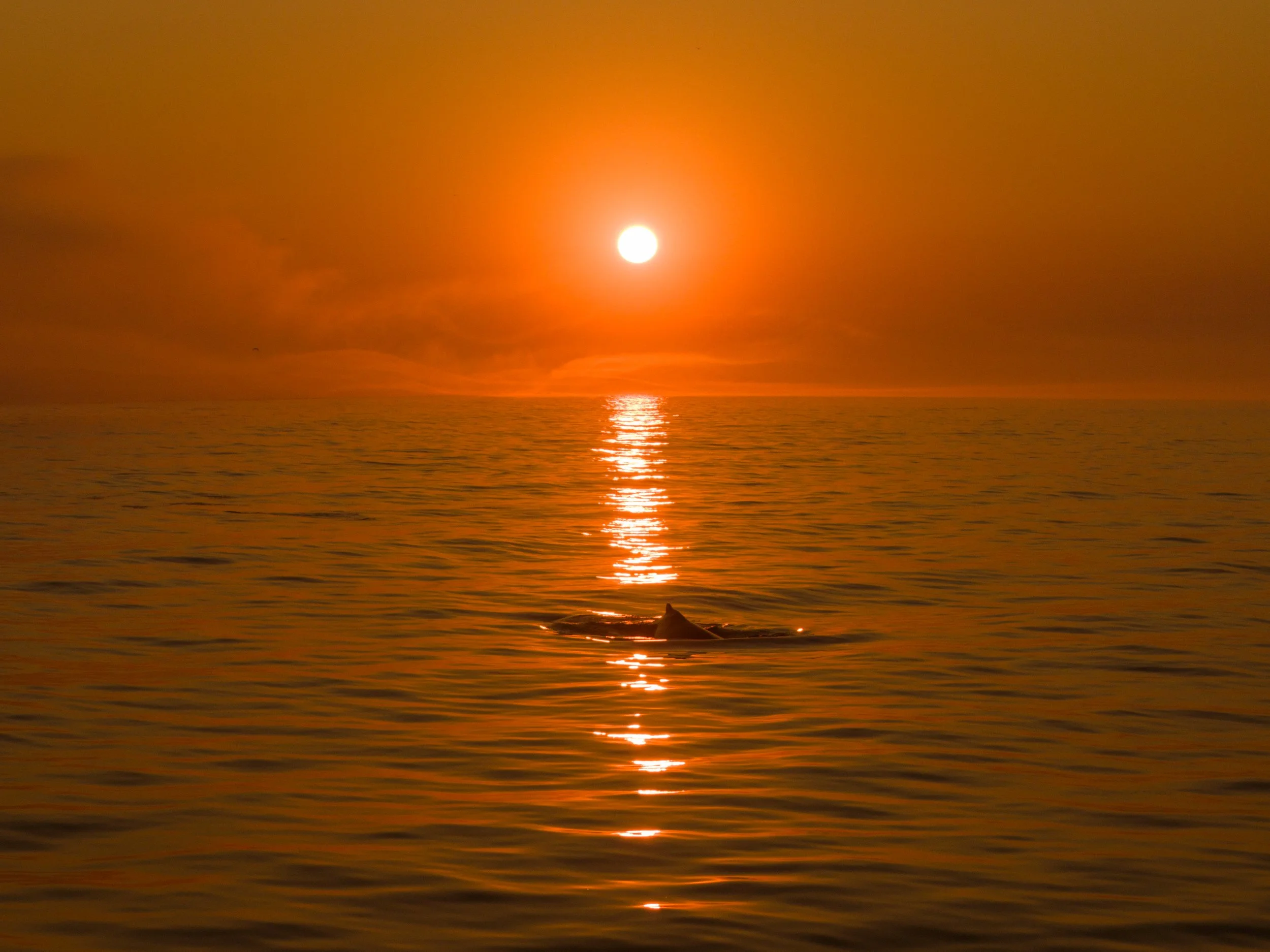
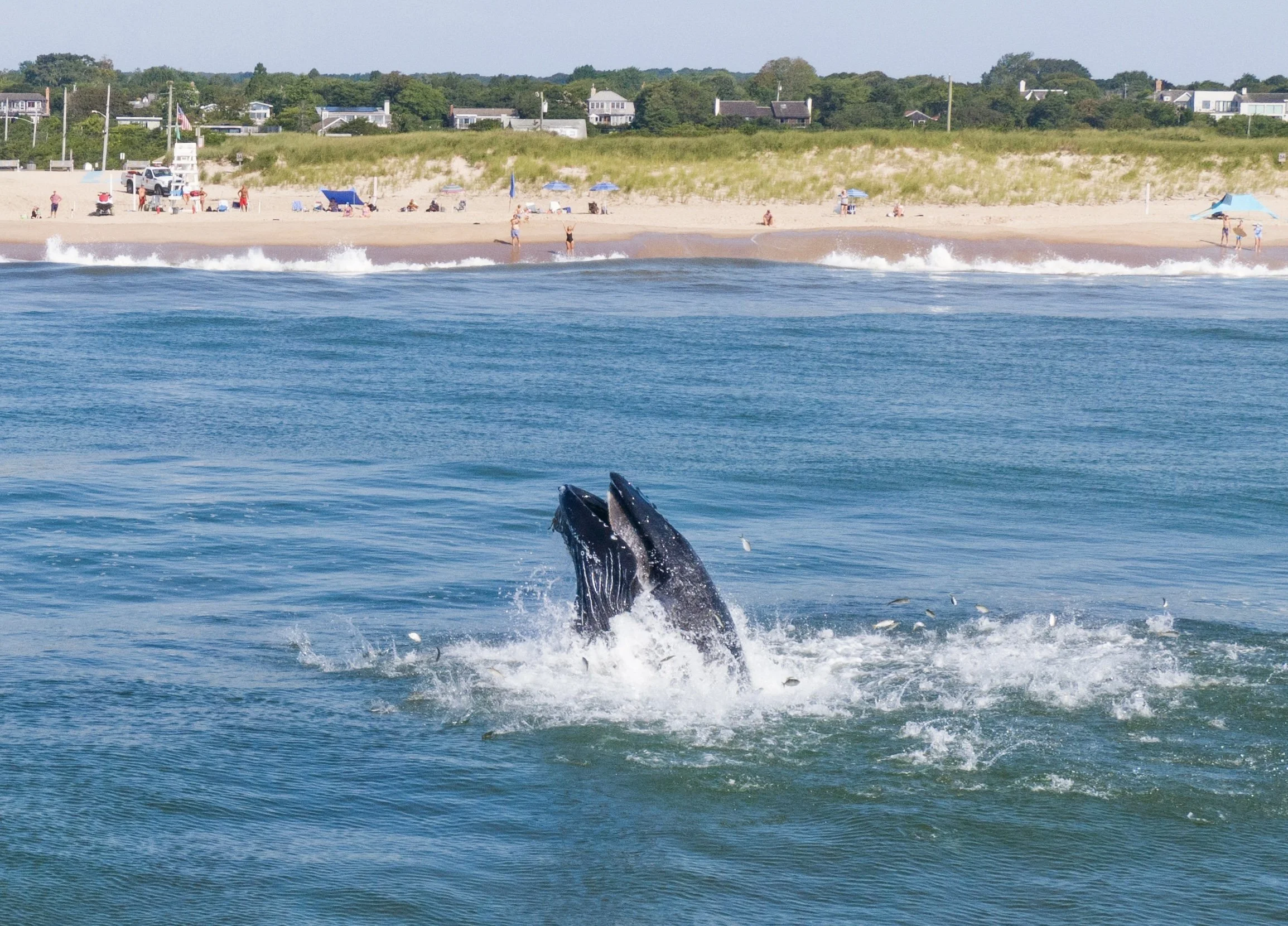
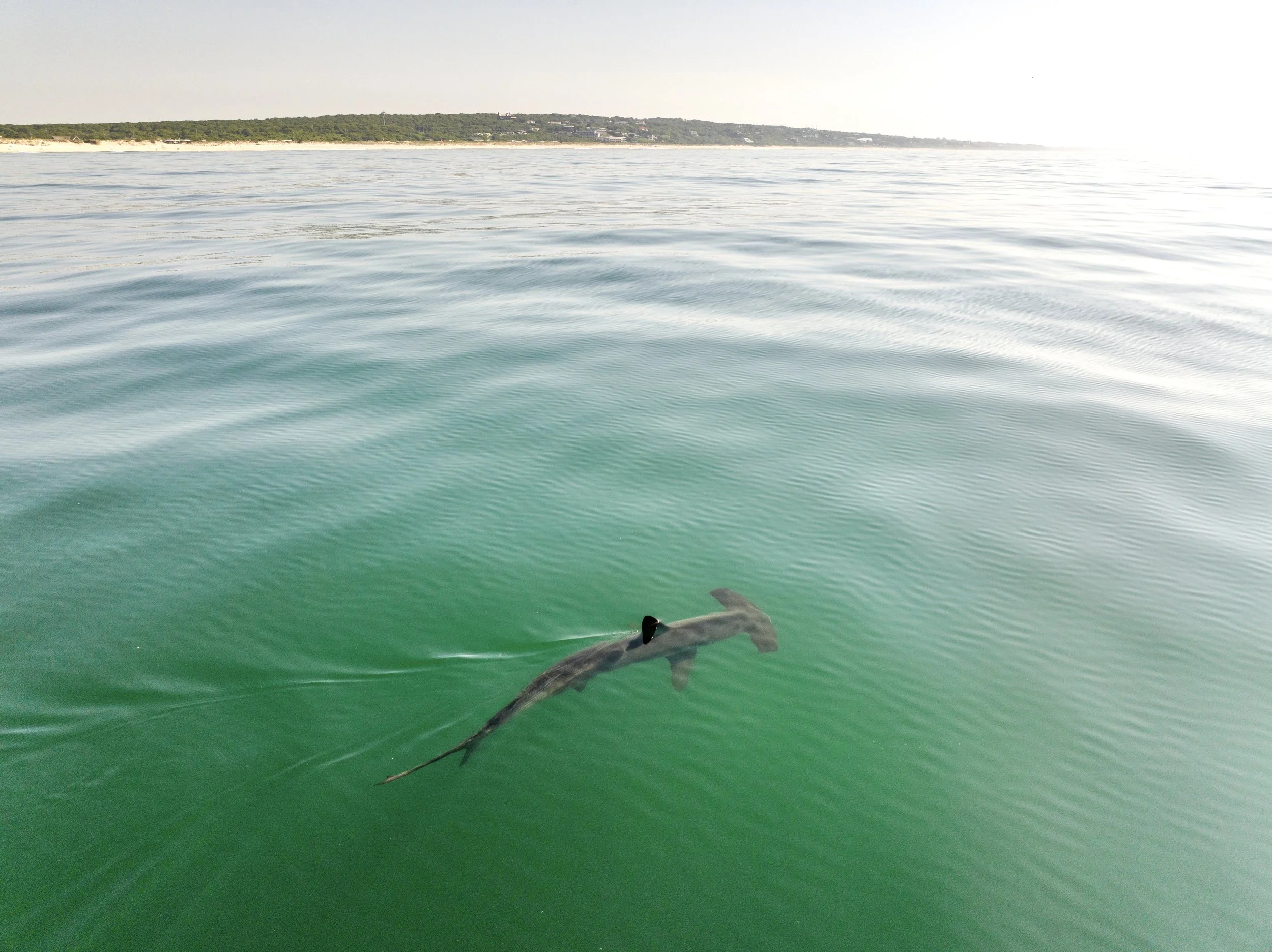
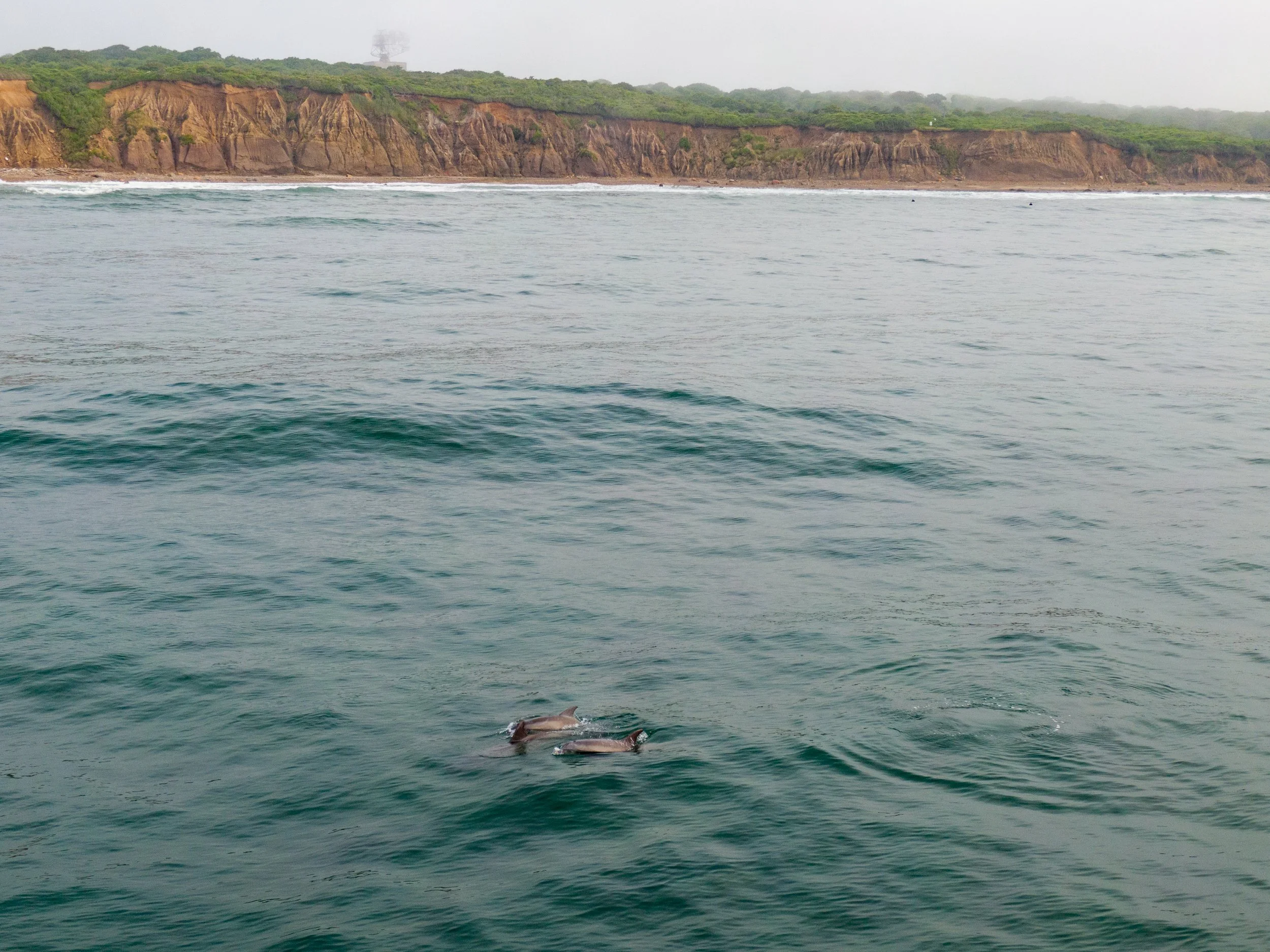
Today, Long Island’s ecology is shaped by a combination of natural processes and human influence. Warmer waters, shifting prey distributions, and ongoing conservation efforts have transformed the coastal food web, bringing species like humpback whales, bluefin tuna, sharks, and dolphins closer to shore in search of abundant forage fish. At the same time, restored wetlands, improved water-quality regulations, and protected fishery measures — particularly around species like Atlantic menhaden and sand eels — have strengthened the productivity of nearshore habitats. These waters now function as critical feeding grounds, migratory corridors, and nursery areas for a wide range of marine life, making the region one of the most dynamic ecological hotspots in the Western Atlantic.
The Montaukett Indians of Eastern Long Island by John A. Strong - Book
The Unkechaug Indians of Eastern Long Island by John A. Strong - Book
When Whalers Were at War - NYT
History of Long Island from it’s Discovery and Settlement to the Present Time by Benjamin Franklin Thompson - Book
Long Island and the Sea by Bill Bleyers - Book
Native American Heritage at Fire Island National Seashore - National Park Service
Indian Whalers in Colonial Long Island - Short Video
Sag Harbor Whaling & Historical Museum
A Family Affair: Whaling as Native American Household Strategy on Eastern Long Island, New York - Emily Button
Living with Whales by Nancy Shoemaker - Book
The Economic Contribution of the Sport Fishing, Commerial Fishing, and Seafood Indusries to New York State - New York Sea Grant