Chondrichthyes
(Sharks, Rays, & More)
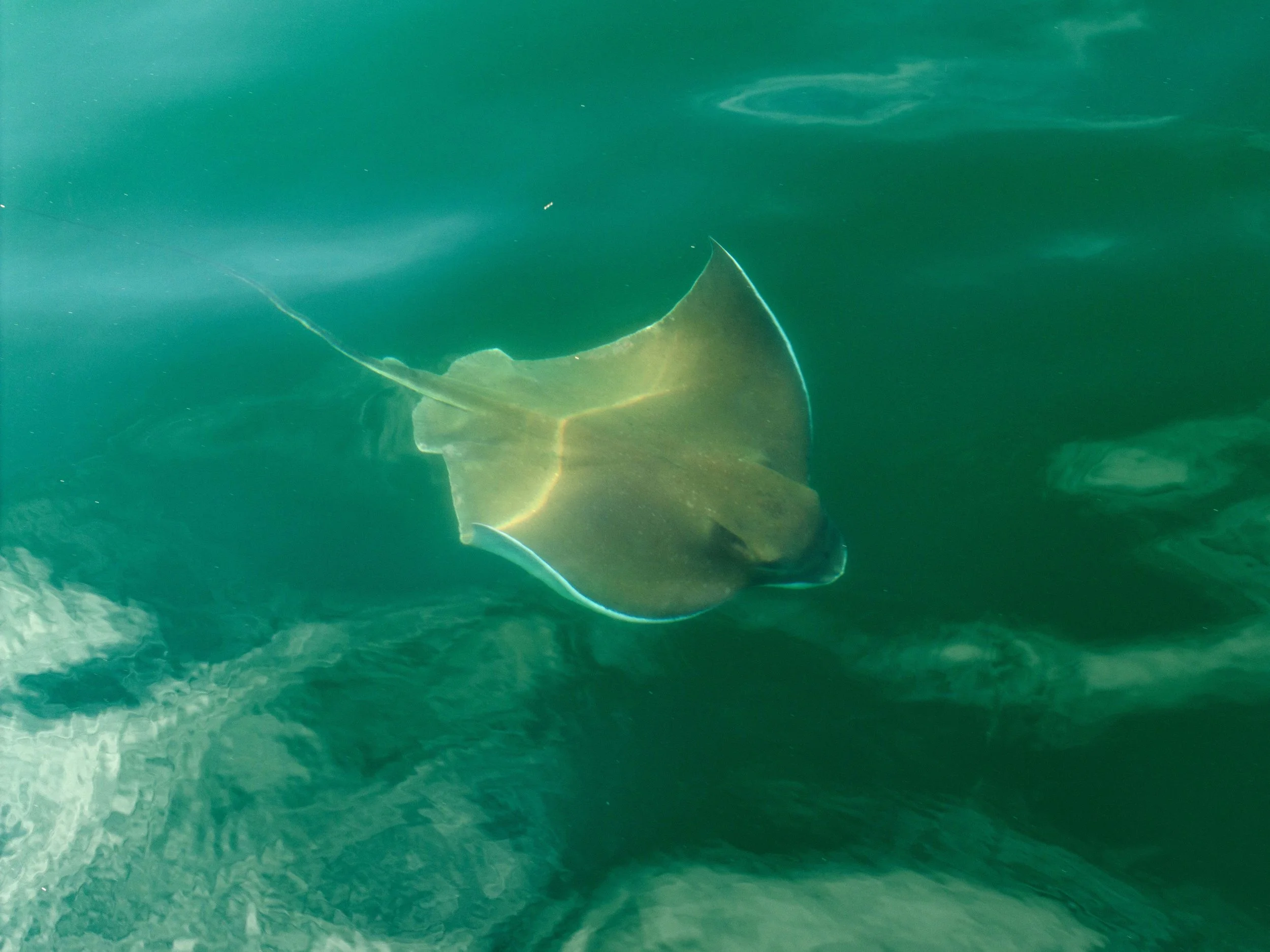
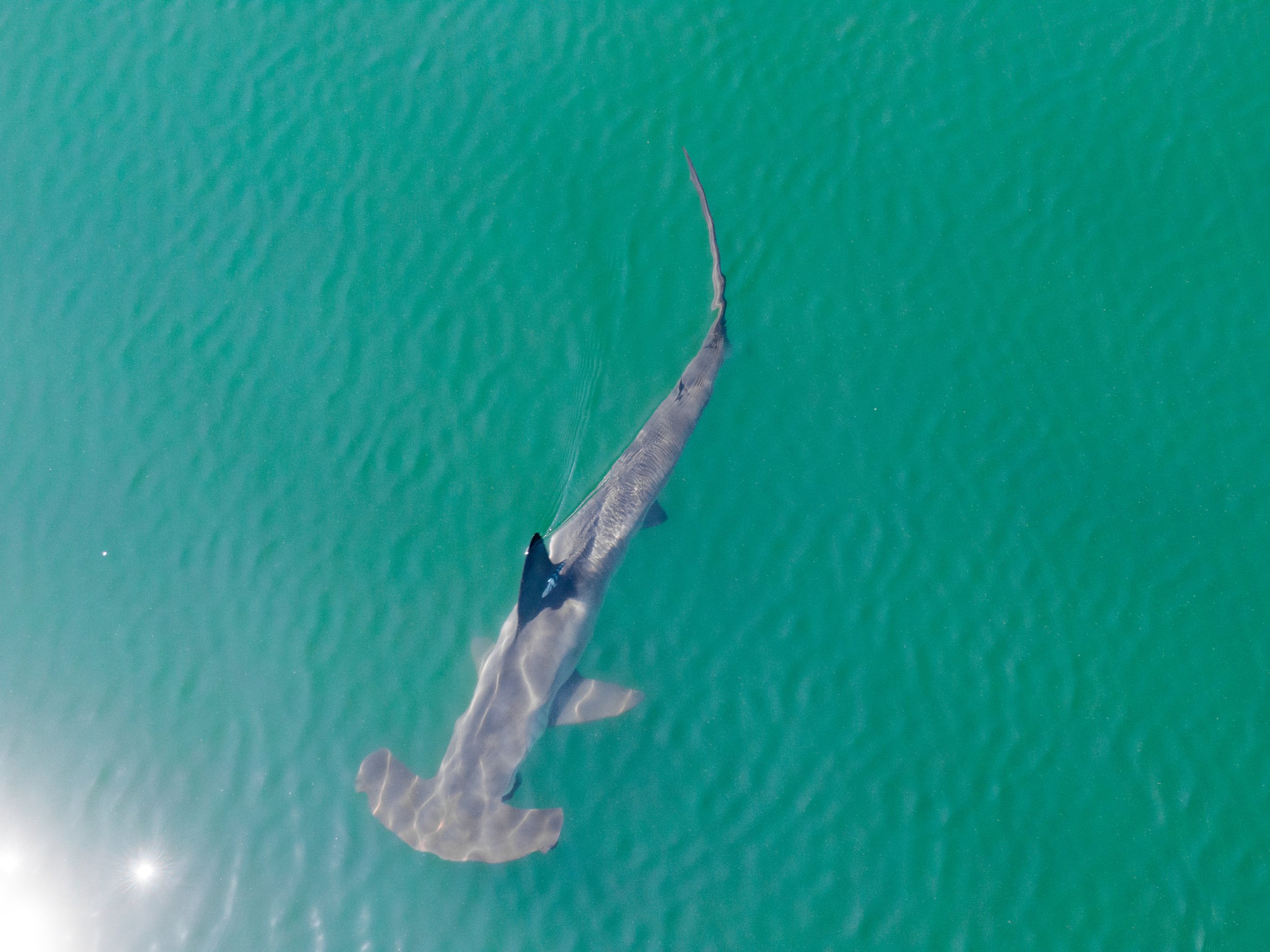
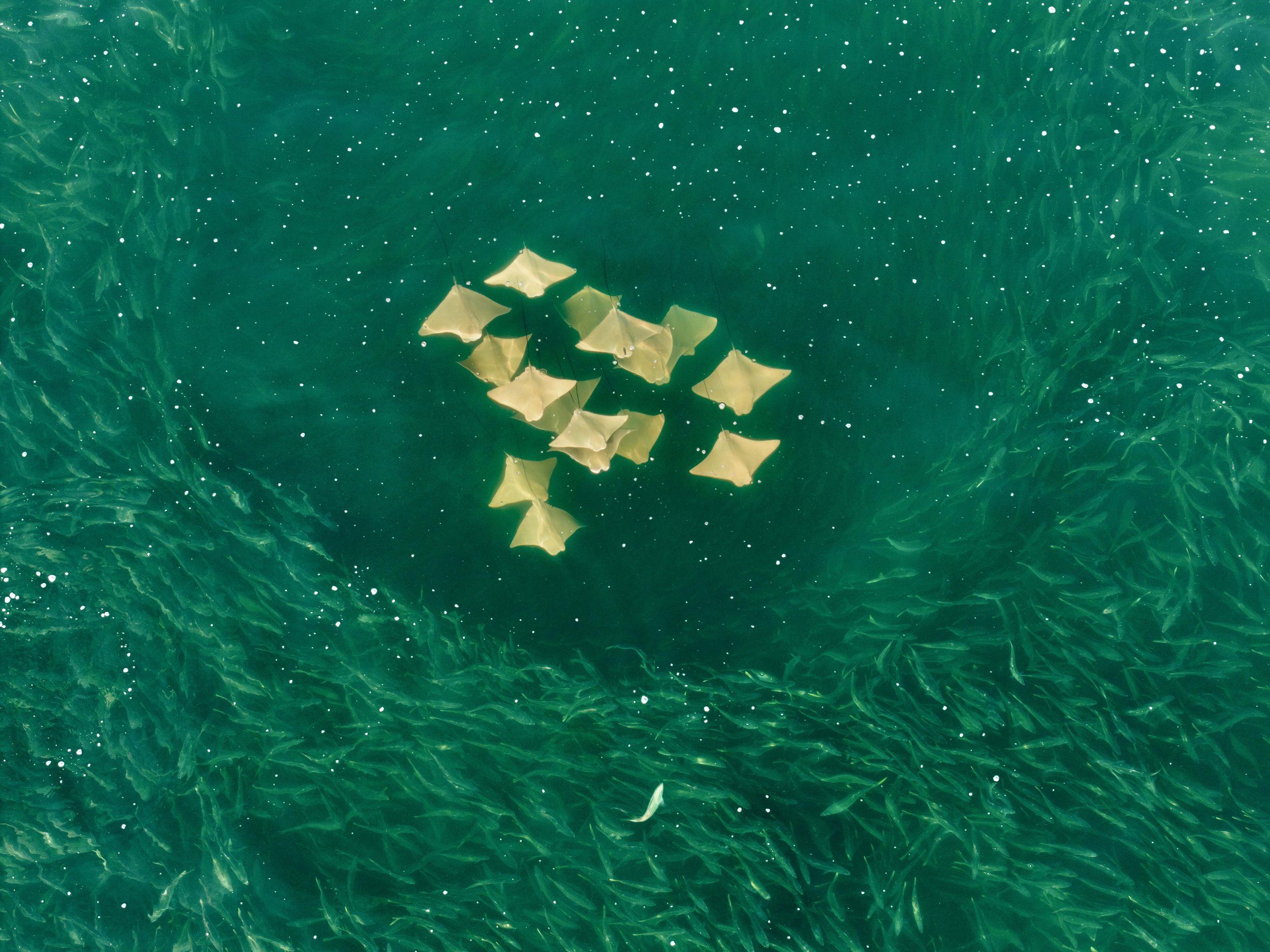
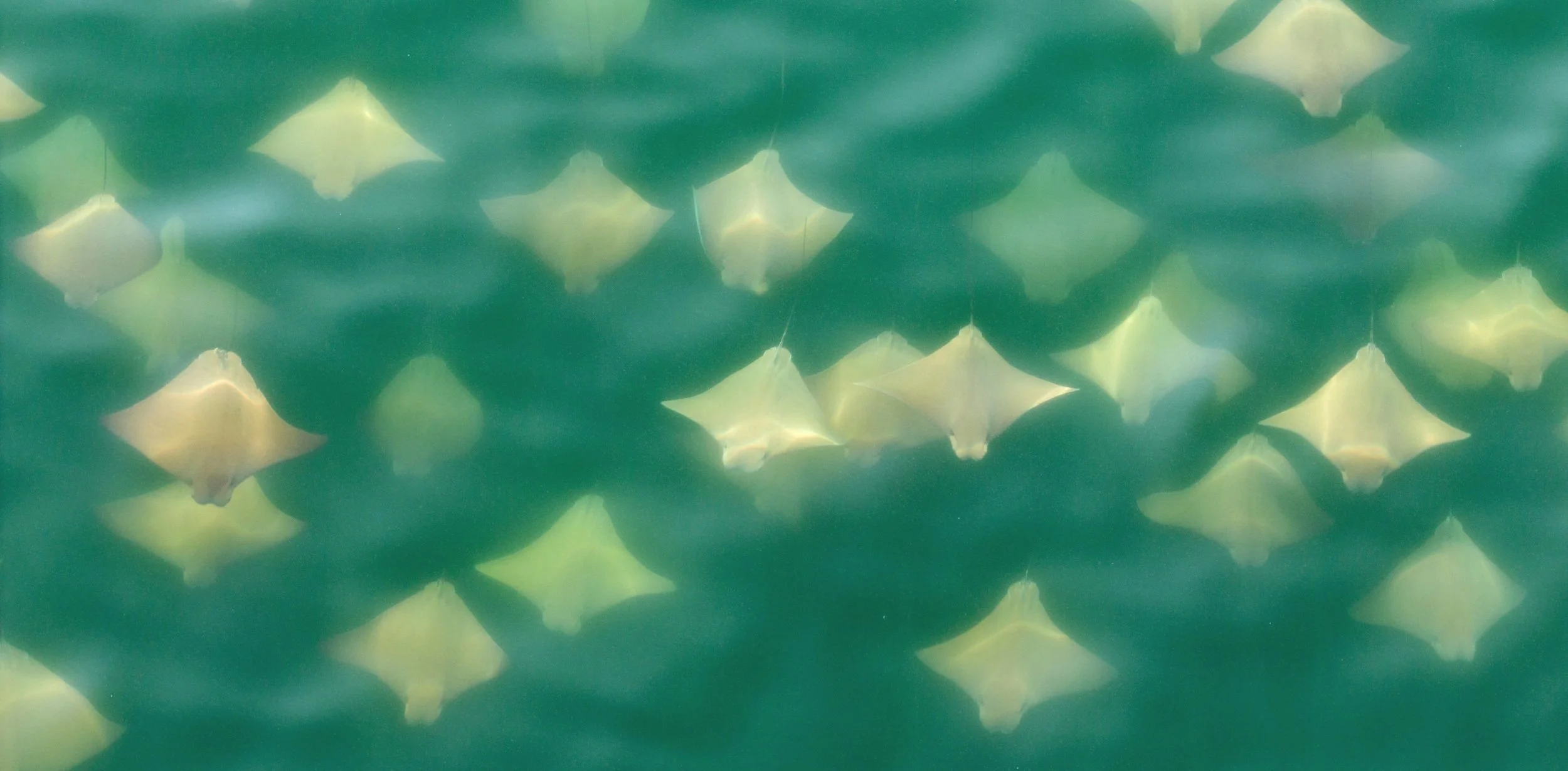
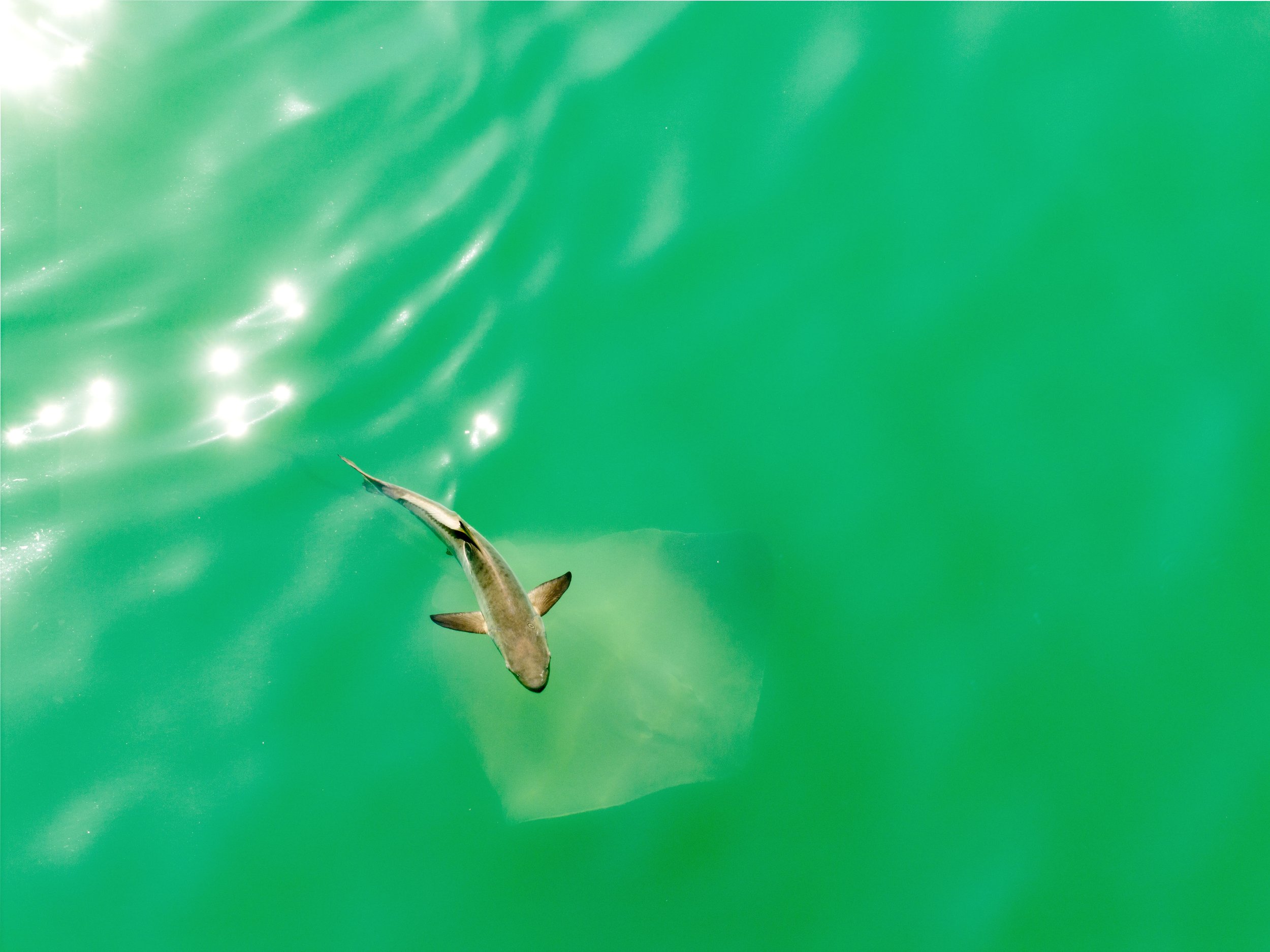
Sharks and rays belong to the class Chondrichthyes, subclass Elasmobranchii, a group of cartilaginous fishes characterized by flexible skeletons made of cartilage rather than bone. This group includes hundreds of species, from large pelagic sharks to coastal rays and skates. Despite their varied forms, elasmobranchs share key traits such as electroreception, highly developed sensory systems, slow reproductive rates, and long lifespans, allowing them to thrive in diverse marine habitats.
Ecologically, sharks and rays play essential roles in maintaining healthy ocean ecosystems. Many shark species act as apex or near-apex predators, helping regulate prey populations and stabilizing food webs. Rays and skates often influence seafloor communities through their feeding and movement patterns. Because these species mature slowly and produce relatively few offspring, they are especially vulnerable to environmental change and fishing pressure, making their presence a strong indicator of marine ecosystem health.
The South Shore of Long Island is recognized as an important nursery habitat for juvenile sharks, including sandbar sharks, dusky sharks, smooth dogfish, and increasingly, white sharks. Its shallow bays and nearshore waters provide warm temperatures, abundant prey, and protection from larger predators—ideal conditions for early growth. Recent tagging and monitoring studies consistently show young sharks using this area throughout the summer, underscoring the region’s critical role in supporting shark populations in the New York Bight.
Sharks in Captivity: The Role of Husbandry, Breeding, Education, and Citizen Science in Shark Conservation - Micheal Grassman, Bryan McNeil and Jim Wharton
What’s the Real Story about Shark Populations in NY Waters? - Stony Brook University
The Sharks Are Back in New York - Paul Hond