Part 1 : Menhaden “The Most Important Fish in the Sea” ; Biology and Ecological role.
Many of y’all on the East End of Long Island have asked where the whales were this summer, and I’ve been trying to understand what’s happening. I rely on science and data and don’t consider myself an expert on the subjects I document, so before sharing anything, I wanted to speak directly with the scientists and organizations involved and review the most up-to-date research. Recent conversations I’ve had with the Theodore Roosevelt Conservation Partnership and the Chesapeake Bay Foundation have been incredibly helpful and eye-opening.
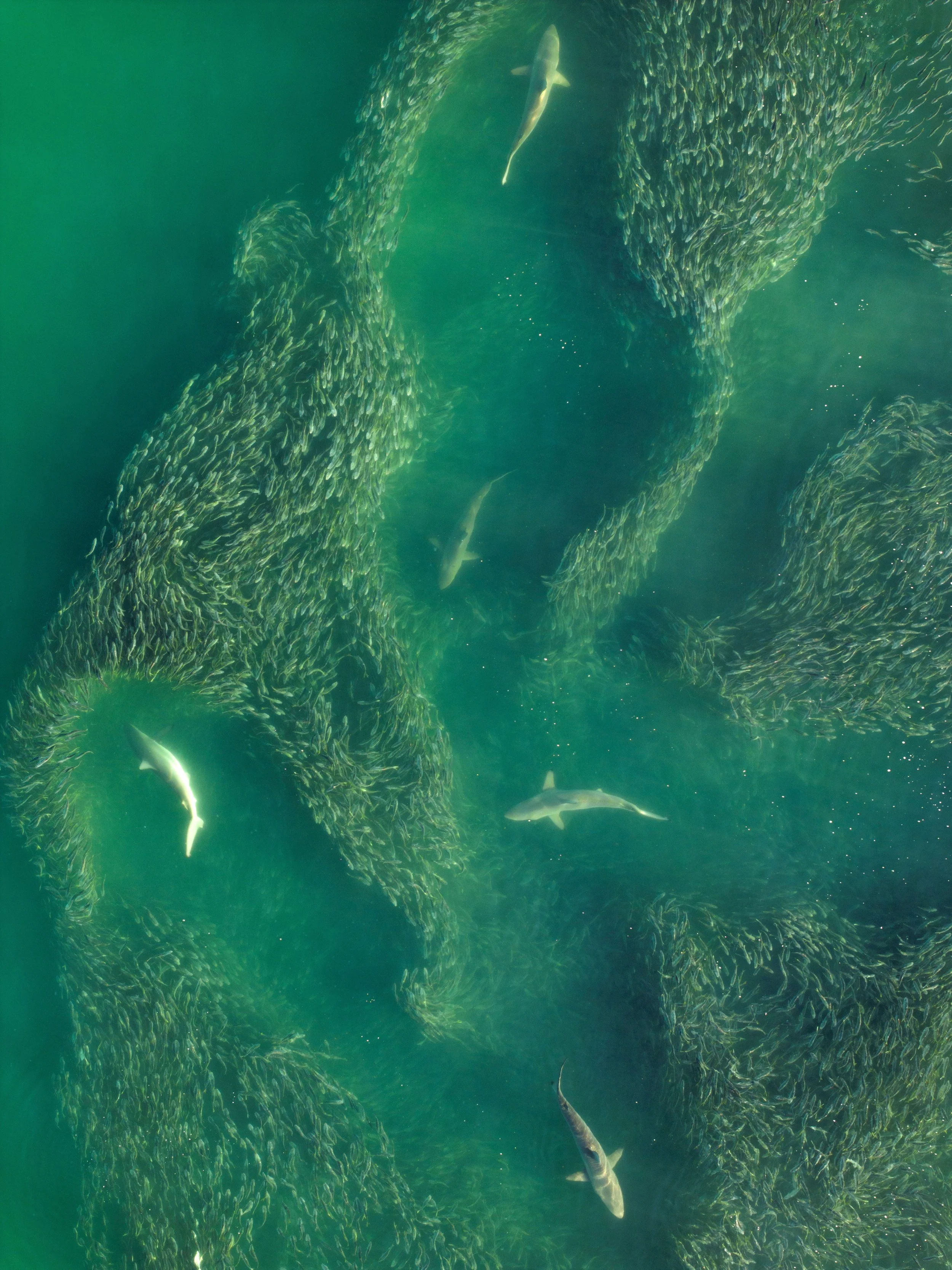
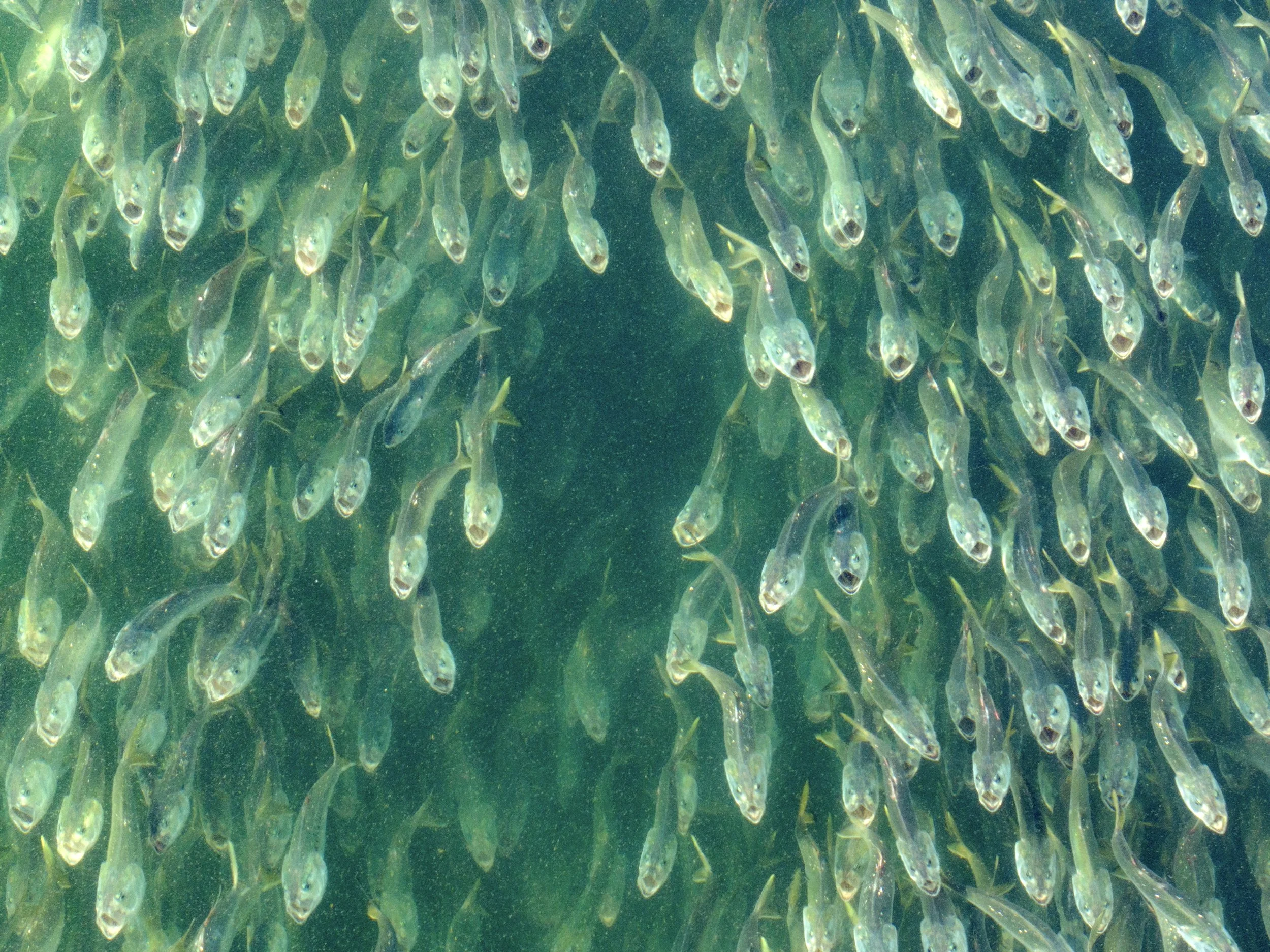
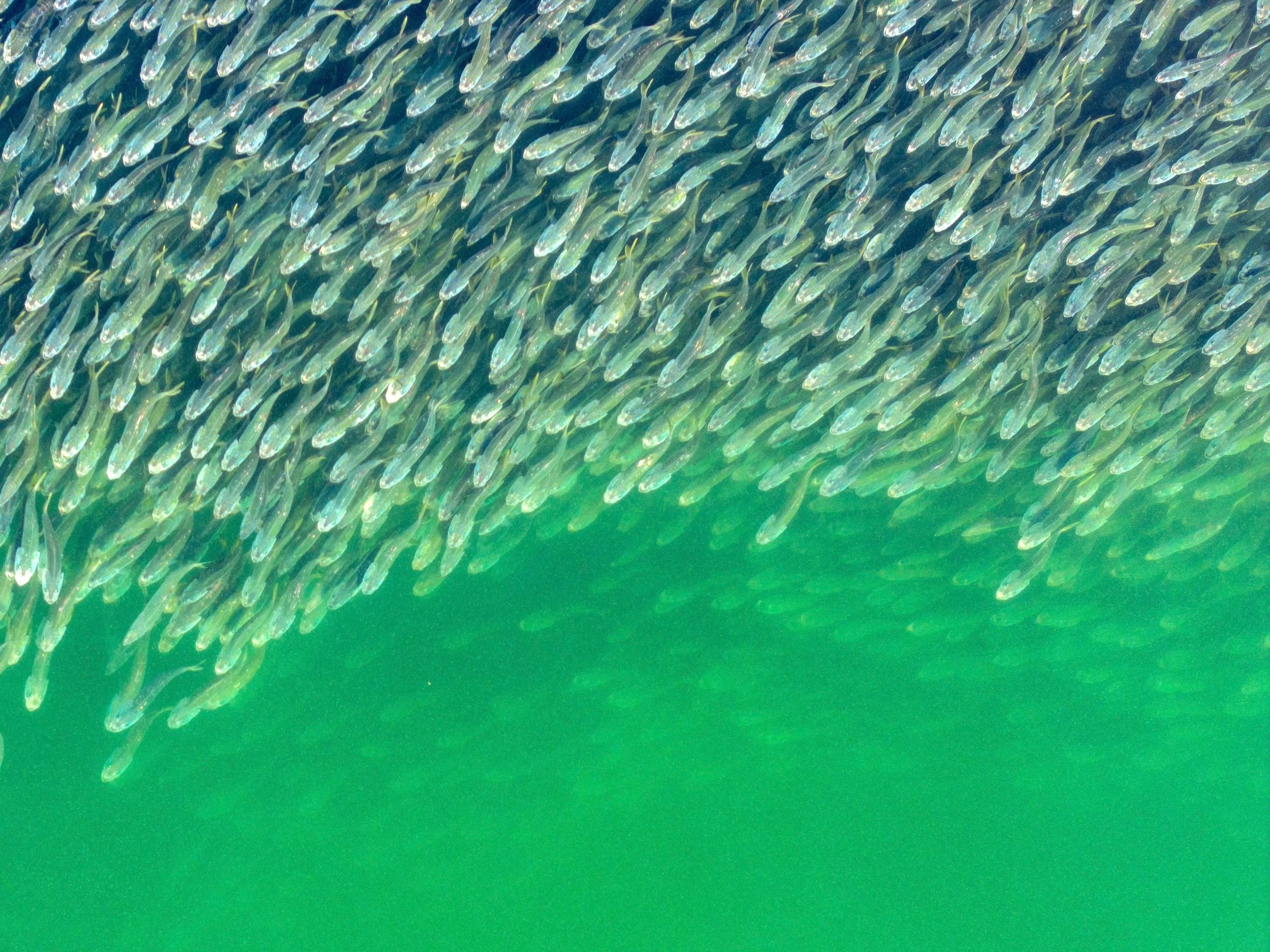
Menhaden are a keystone species, meaning they help hold the ecosystem together; primarily acting as a food source for countless predators and cleaning the water. Typically growing 12–15 inches long and weighing around a pound, menhaden swim with their mouths open, using comb-like gill rakers to filter tiny organisms—mostly phytoplankton—from the water. They are preyed upon by species, like whales, dolphins, tuna, sharks, striped bass and bluefish to name a few.
Without healthy menhaden populations, predators suffer, and coastal waters become more prone to harmful algal blooms. While their numbers naturally fluctuate, there are limits to these cycles.
Menhaden migrate in large surface schools along the East Coast—moving north in spring and summer and south in fall. Many larvae mature in estuarine waters like the Chesapeake and Delaware Bays, with the Chesapeake in particular being critical to the species’ long-term health.
The resurgence of marine life around Long Island since 2019—and much of the work I document—can be traced to catch limits passed in 2012 to help rebuild menhaden populations after decades of overfishing.